Navigating the Bethlehem Property Market: A Local Guide
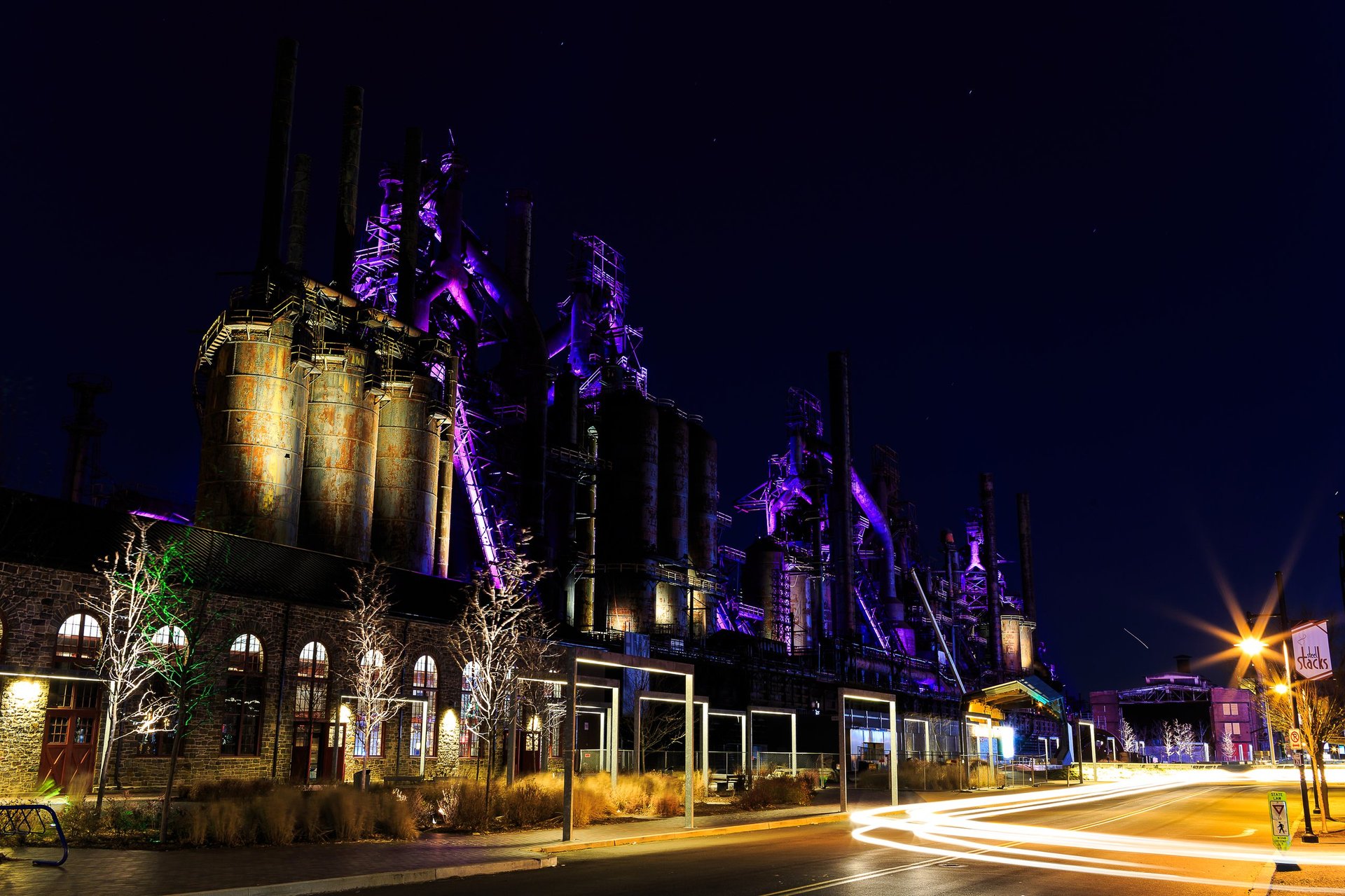
When people ask me about living in Bethlehem, Pennsylvania, I usually start with the obvious: this is a town that rewards people who pay attention. The historic district is gorgeous, sure, but the real draw is how the city balances its past with a steady, grounded present. That balance shows up clearly in the bethlehem property market, which has its own rhythms and quirks. Whether you are looking at a row house on Market Street or a newer condo near the SteelStacks campus, understanding those rhythms matters.
I have spent the last several years helping buyers and sellers navigate this corner of the Lehigh Valley. What I have learned is that Bethlehem does not behave like a typical small city. It has a distinct identity, shaped by the Moravian influence, the old steel industry, and a recent wave of cultural investment. All of that lands on the housing market in ways that can surprise newcomers. Let me walk you through the major factors that define the bethlehem property market right now, and what I have seen work for people who make smart moves here.
The Historic Core and What It Means for Buyers
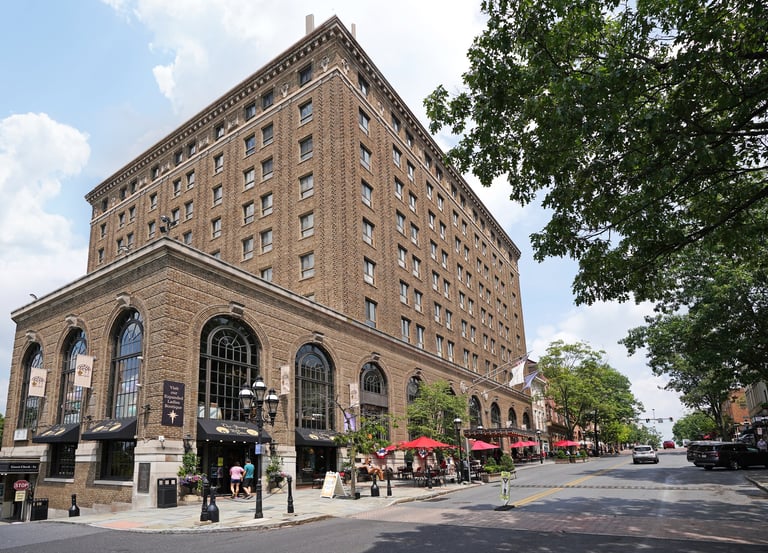
Bethlehem's historic district is one of the best preserved in the country. Walking those brick sidewalks, you see three centuries of architecture in a single block. That charm comes with trade-offs. Many of the older homes need serious maintenance. A house built in 1750 looks beautiful, but it also has old plumbing, limited insulation, and windows that whistle in the wind. I have walked clients through homes where the floor slopes and the plaster cracks, and I have seen them fall in love anyway. The trick is knowing where to invest your money and where to let the history be what it is.
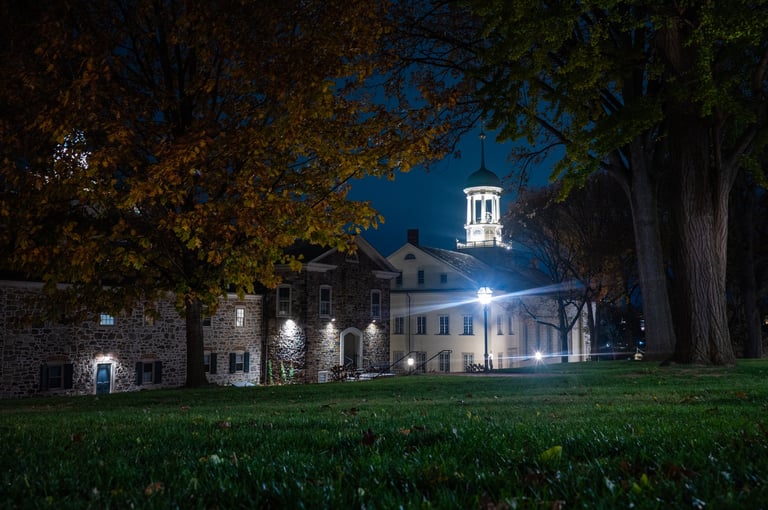
For buyers, the main question is whether you have the stomach for maintenance. If you want a turnkey property, the historic district might not be for you. If you value character and are willing to put in some work, it can be a fantastic long-term hold. Properties near the Moravian College campus and along Church Street tend to hold value well, even in slower market periods. Schools, walkability, and the presence of the arts scene keep demand steady.
The South Side Renaissance
The South Side has undergone a visible transformation over the past decade. Where there were empty lots and shuttered storefronts, you now find breweries, art galleries, and a growing residential base. This area is more affordable than the historic district, and it attracts a younger crowd, including Lehigh University faculty and creative professionals. The bethlehem property market here is more dynamic in terms of price movement. I have seen homes double in value in five years on certain blocks, but I have also seen buyers overpay on speculation. The key is to buy on a block that already has a mix of residential and commercial use, not one that is still mostly vacant. You want to be part of a neighborhood that is already working, not one that is still waiting for a project to break ground.
A practical example: a client of mine bought a small rowhouse on East Fourth Street in 2018 for $145,000. She put about $30,000 into it over three years, mostly into the kitchen and a bathroom. She sold it last year for $215,000. That is not a crazy flip story; it is just what happens when you buy into a rising area at the right time and make sensible improvements. The South Side still has room for that kind of growth, but the margins are tighter now than they were five years ago.
West Bethlehem and the Suburban Feel
West Bethlehem offers a different proposition. It is quieter, more suburban, with larger lots and newer construction. Families with school-age children tend to gravitate here because the elementary schools are well regarded and the streets feel safe for bikes and strollers. The trade-off is that you pay a premium for that space, and you lose some of the walkability that defines the rest of the city. If your priority is a backyard and a garage, West Bethlehem is worth your time. If you want to walk to a coffee shop on a Saturday morning, you will find fewer options out here.
I have noticed that buyers who move from the suburbs of New Jersey or New York often feel comfortable in West Bethlehem because it reminds them of where they came from. That can be a good thing, but it also means they sometimes overlook the tax implications. Property taxes in Bethlehem are higher than in some surrounding townships, and that hit shows up more on a larger house. Always run the full tax calculation before you fall in love with a property.
What Sellers Need to Know Right Now
If you are selling in the current market, the biggest mistake I see is overpricing based on what a neighbor sold for six months ago. The bethlehem property market moves in cycles, and conditions change faster than people expect. A home that sold for $350,000 in spring might not get the same number in fall, especially if interest rates shift or inventory builds up. I advise sellers to look at the most recent comparable sales, ideally within the past 60 days, and to be realistic about condition. A dated kitchen that looked fine in 2019 now looks tired to buyers who have seen renovated homes online. You do not need a full gut renovation, but fresh paint, clean floors, and decent staging matter more than ever.
Another factor: the season. Bethlehem has a strong seasonal pattern. Spring and early fall are the busiest periods. Listings that sit through December often end up getting lower offers. If you can wait until March, you will likely see more buyer activity. If you need to sell in winter, price it accordingly and be prepared to hold longer.
Rental Market and Investment Properties
Bethlehem has a healthy rental market, driven by Lehigh University, Moravian College, and the growing number of professionals who work in the Lehigh Valley but commute to New York or Philadelphia a few days a week. Investors looking for rental income should focus on properties near the colleges or within walking distance of the downtown areas. Cap rates are decent, typically in the 6 to 8 percent range for multi-unit buildings, but you have to factor in the age of the housing stock. A lot of the older buildings have deferred maintenance, and that catches up with you in the form of unexpected repairs. I recommend a thorough inspection and a reserve fund of at least $10,000 per unit before you buy.
One thing I tell every investor: understand the city's rental registration requirements. Bethlehem has a rental licensing program that includes inspections and fees. It is not onerous, but it is something you need to budget for. Ignoring it can lead to fines and headaches.
Final Thoughts from the Ground
Bethlehem is a city that works because it has not tried to be something it is not. It is not a high-growth suburb, and it is not a sleepy small town. It is a real, functioning city with a strong sense of place. The bethlehem property market reflects that. It rewards patience, good information, and a willingness to understand the local character. If you approach it with those things, you can find a home that fits your life and holds its value over time.
If you are thinking about making a move here, spend a weekend walking the neighborhoods. Talk to people on the streets, visit the coffee shops, and see how the city feels on a Tuesday afternoon. The numbers will tell you one story, but the streets will tell you another. Both matter.